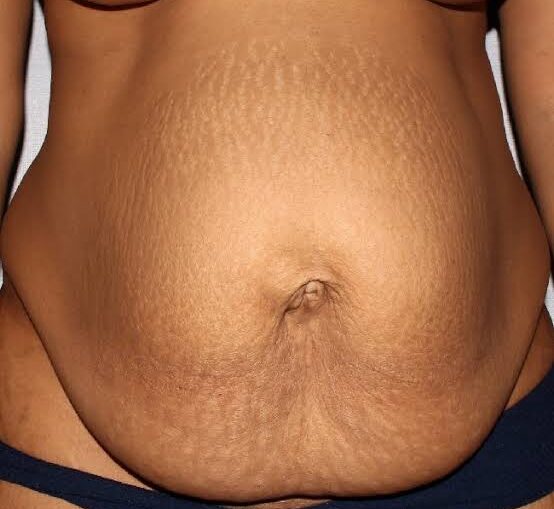
Diastasis recti occurs when your rectus abdominis muscles (six-pack ab muscles) separate during pregnancy from being stretched. The separation can make your belly stick out or bulge months or years after your last baby. You can repair it with special exercises that help close the separation.
Causes
Hormonal Laxity
During pregnancy, the body produces hormones like relaxin and estrogen. These hormones relax your ligaments and soften connective tissues to allow the pelvis and abdomen to expand, making the linea alba highly vulnerable to overstretching.
Central Obesity or Rapid Weight Fluctuations
Carrying high amounts of abdominal fat or experiencing rapid weight gain places constant, heavy internal pressure on the connective tissues. Rapidly losing weight afterwards can leave the stretched tissue loose and separated.
Genetics
Some individuals are born with a genetic predisposition to weaker connective tissue or hereditary collagen structural abnormalities, making them more prone to abdominal stretching.
Infant Development
Newborn babies are occasionally born with diastasis recti (especially premature infants) because their abdominal muscles are simply not yet fully developed or joined at the midline. This typically resolves on its own over time.
And finally, Diastasis recti is a common and treatable condition. If you have more than a two-finger gap between your abdominals or are experiencing pain, contact your healthcare provider for a diagnosis. They may want you to see a physical therapist or pelvic floor specialist to help strengthen your abdominal muscles. Information are gotten from Cleveland clinics.