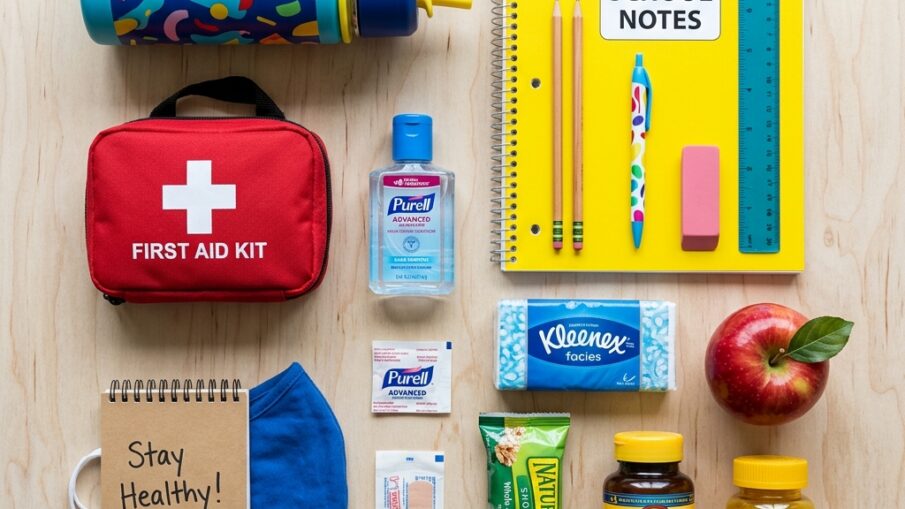
Back to School health essentials for students
As students across the world return to the classroom, it’s important for parents to keep health and safety top of mind not just supply lists and schedules. Staying proactive about wellness can help protect your child and the entire school community.
Across the world, hospitals and health systems partner with schools and communities to support students’ health beyond the classroom from nutrition programs and wellness initiatives to preventive care and safety education.
Keep Vaccinations Up to Date
Vaccinations help protect children and the communities around them from preventable illnesses. Before the school year begins, check with your child’s pediatrician and school district to make sure required immunizations are up to date. Recommendations can change, so families should confirm current requirements and discuss recommended vaccines – including seasonal vaccines like influenza and COVID-19 – with their health care provider.
Reinforce Good Hygiene
School means close contact with others, so handwashing is essential. Teach your child to wash hands with soap and water – before eating, after using the restroom and after coughing or sneezing. Provide hand sanitizer for when sinks aren’t available, and remind them to cover coughs and sneezes with a tissue or elbow.
Fuel with Balanced Nutrition
A well-nourished child is better prepared to learn, focus and participate throughout the school day. Start the day with a nutritious breakfast including whole grains, protein and fruit. Pack balanced lunches and snacks, limiting highly processed foods and sugary drinks when possible. Good nutrition supports immunity, energy levels and overall health.
Practice Allergy Awareness
If your child has allergies, work with the school to ensure teachers and the nurse know what to do in an emergency. Provide necessary medications and review safety steps with your child. Even if your child doesn’t have allergies, teach them not to share food, snacks, or medicine with classmates. Ask about school allergy policies – such as nut-free zones – to help protect all students.