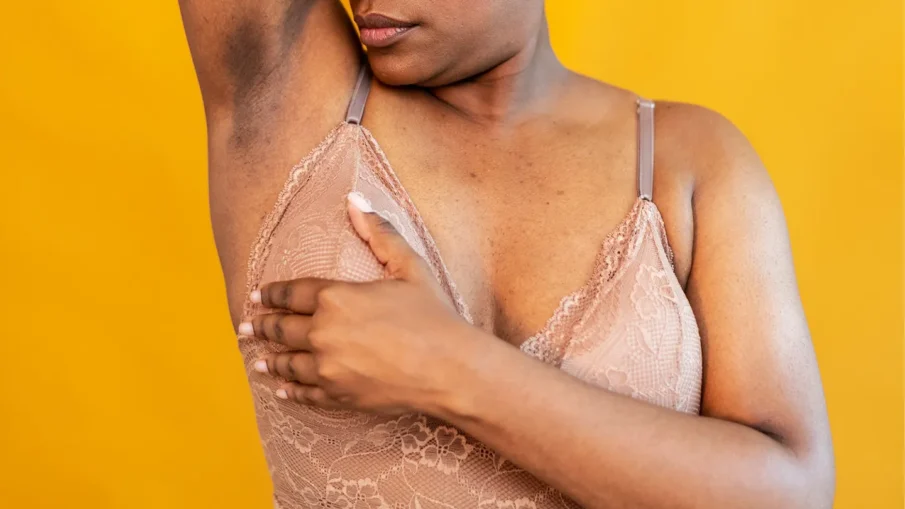
Fibroadenomas are common noncancerous (benign) breast lumps. They’re a type of benign breast disease that rarely increases breast cancer risk. Fibroadenomas may get bigger or smaller over time. Some disappear completely. Most lumps don’t require treatment. Your healthcare provider may recommend more frequent screenings to catch breast changes early.
Causes of Fibroadenomas
Hormonal Imbalance (Estrogen Influence)
High sensitivity of breast tissue to estrogen is one of the main causes of fibroadenomas. Estrogen stimulates the growth of breast glandular and connective tissues. When breast cells respond excessively to estrogen, it can lead to the formation of fibroadenomas. This is why they are most common during puberty, pregnancy, and reproductive years.
Rapid Breast Tissue Development
During adolescence and early adulthood, the breasts undergo rapid development. This fast growth of glandular and fibrous tissue can sometimes become disorganized, forming a firm, rubbery lump known as a fibroadenoma. These lumps often appear in women between ages 15 and 35.
Genetic Predisposition
Family history can increase the likelihood of developing fibroadenomas. Women whose mothers or close female relatives have had benign breast lumps may have a higher risk due to inherited tendencies affecting breast tissue growth and hormone response.
Hormonal Medications
The use of hormonal drugs such as oral contraceptives (birth control pills)—especially before age 20—may stimulate breast tissue growth and increase the chances of fibroadenoma formation. These medications alter estrogen and progesterone levels in the body.
In conclusion, try not to worry about a fibroadenoma. They’re rarely cancerous and most can be left alone. Your healthcare provider is there to answer any questions you have and ease your fears. Getting a fibroadenoma rarely increases your risk for cancer. However, you should follow your provider’s recommendations on breast cancer screenings just to make sure. All informations are gotten from Cleveland clinics.