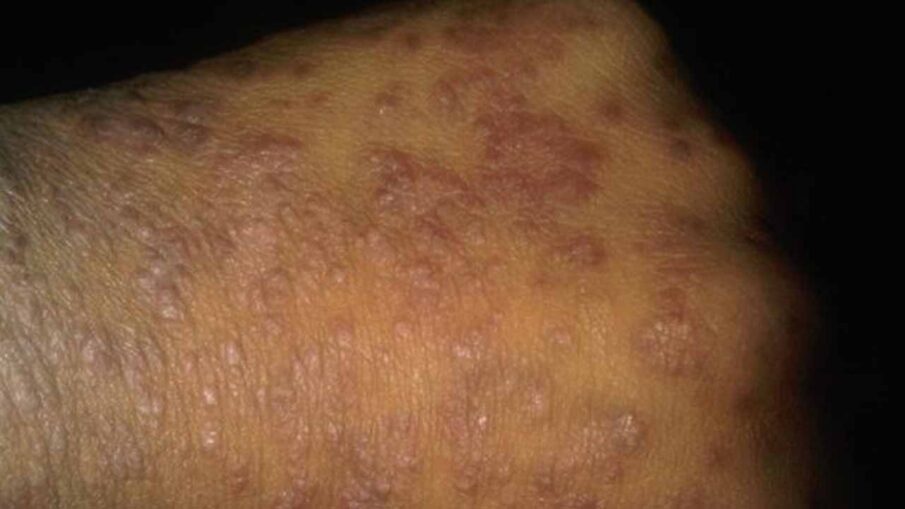
Psoriasis is a skin disease that causes a rash with itchy, scaly patches, most commonly on the knees, elbows, trunk and scalp.
Psoriasis is a common, long-term (chronic) disease with no cure. It can be painful, interfere with sleep and make it hard to concentrate. The condition tends to go through cycles, flaring for a few weeks or months, then subsiding for a while. Common triggers in people with a genetic predisposition to psoriasis include infections, cuts or burns, and certain medications.
Causes of psoriasis
Immune System
MalfunctionIn a healthy body, white blood cells fight off foreign invaders like bacteria. In a person with psoriasis, specific immune cells (mainly T-cells and dendritic cells) mistake healthy skin cells for a threat.
Medications
Certain prescription drugs can trigger a flare or worsen symptoms, including lithium, beta-blockers, and antimalarial drugs.
Lifestyle Habits
Smoking tobacco and heavy alcohol consumption significantly increase both the risk of developing psoriasis and the severity of its symptoms.
Skin Trauma
Known as the Koebner phenomenon, a localized injury like a cut, scrape, bug bite, or severe sunburn can cause a new plaque to form exactly where the skin was damaged
In conclusion, talk with your health care provider about what conditions you might be at greater risk of and how to best screen for them. And be sure to let your health care provider know about any symptoms you’re experiencing, even if you think they might not be related to your psoriasis. All information are gotten from Mayo clinics.
Leave a Reply