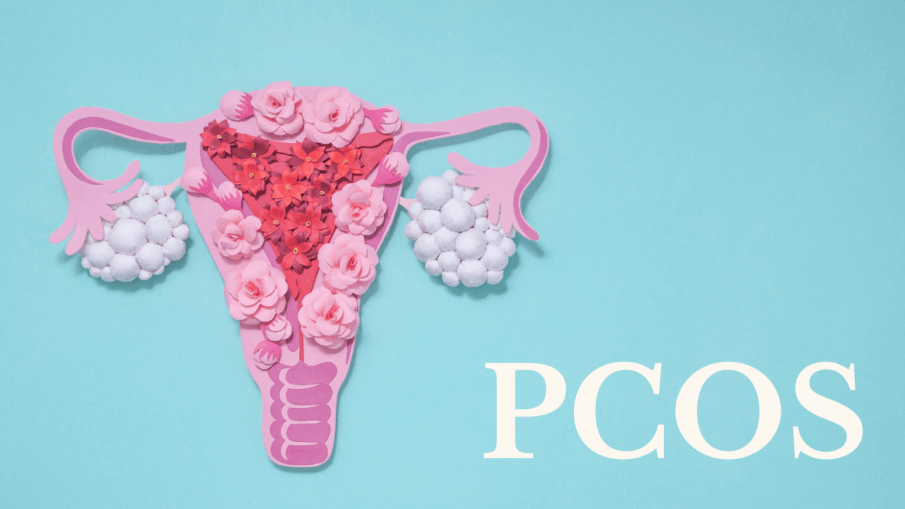
Polycystic ovary syndrome (PCOS) is a common condition that affects your hormones. It causes irregular menstrual periods, excess hair growth, acne and infertility
Higher levels of male hormones called androgens
High androgen levels prevent your ovaries from releasing eggs, which causes irregular menstrual cycles. Irregular ovulation can also cause small, fluid-filled sacs to develop on your ovaries. High androgen also causes acne and excess hair growth in females.
Insulin resistance
An increase in insulin levels causes your ovaries to make and release male hormones (androgens). Increased male hormones suppress ovulation and contribute to other symptoms of PCOS. Insulin helps your body process glucose (sugar) and use it for energy.
Low-grade inflammation
People with PCOS tend to have chronic low-grade inflammation. Your healthcare provider can perform blood tests that measure levels of C-reactive protein (CRP) and white blood cells, which can indicate the level of inflammation in your body.
Irregular periods
Abnormal menstruation involves missing periods or not having a period at all. It may also involve heavy bleeding during periods.
In conclusion, Your healthcare provider will determine treatment based on your symptoms, medical history and other health conditions, and if you want to get pregnant. Treatments can include medications, lifestyle changes or a combination of both. All information are gotten from Cleveland clinics.