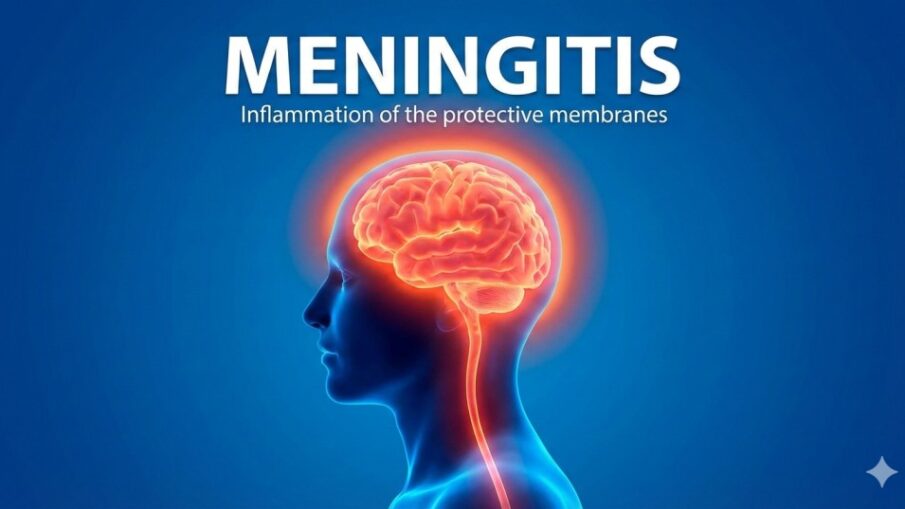
Meningitis makes the protective layers surrounding your brain and spinal cord swell. Bacteria, viruses, fungi, parasites and noninfectious conditions can cause meningitis. Common symptoms include fever, neck stiffness and light sensitivity. If you think you have meningitis, go to the ER immediately. Meningitis is inflammation of the three tissues that surround your brain and spinal cord, the meninges. Another name for it is spinal meningitis. This condition can be life-threatening.
Causes and risk factor of meningitis
People with weakened immune systems
Certain health conditions and treatments can weaken your immune system. These include: HIV, autoimmune disorders,cancer or chemotherapy, organ or bone marrow transplants, immunosuppressive medication
Pregnancy
Pregnancy can increase the risk of listeriosis, an infection caused by the Listeria bacteria, which can result in meningitis.
Age
Children under 5 may have an increased risk of viral meningitis, while infants have a higher risk of bacterial meningitis. Older adults can also be at an increased risk of infections that can cause meningitis.
Working with animals
People who work closely with animals may have an increased risk of Listeria infection.
In conclusion, Your healthcare provider will do a physical exam and ask about your symptoms. They’ll ask several questions about your medical history and recent activities, like whether you’ve traveled. This can help narrow down the cause of meningitis. All information are gotten from HealthLine clinics.