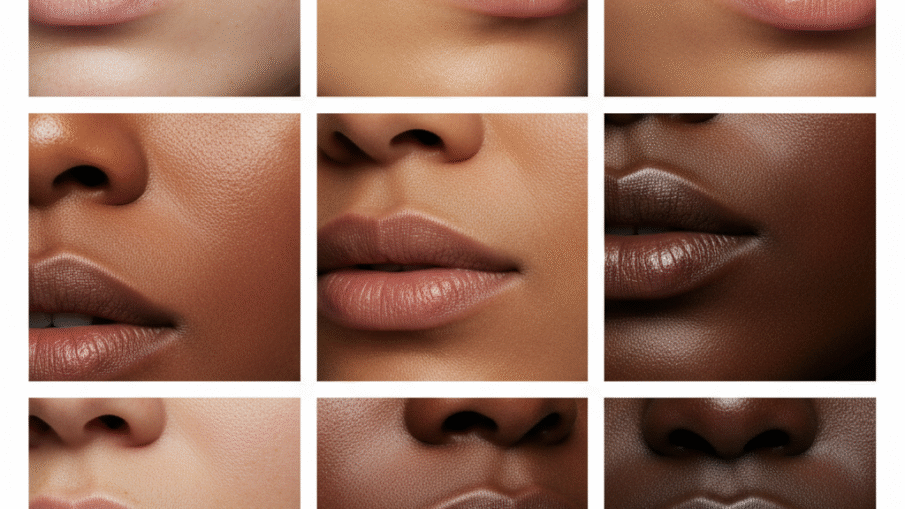
Your skin can be either dry, oily, normal, combination or sensitive and knowing which kind you have can help you take care of it. Your skin is the largest organ in your body it protects you and helps you feel sensations. So, it makes sense that you want to take care of your skin by keeping it clean and healthy. Keep in mind that your skin type may be due to many factors like genetics, age, hormones, stress, diet, activity levels and even environmental conditions (think hot, humid summers or cool, dry winters).
What are the different skin types? The American Academy of Dermatology (AAD) usually classifies skin by five different types: dry, oily, normal, combination or sensitive.
Dry skin type and Oily skin type
If you have dry skin, you’re not producing enough sebum, an oily substance produced by your sebaceous glands. Unlike dry skin, if you have oily skin there’s an overproduction of sebum. You may have enlarged pores, a shiny or greasy complexion and notice blackheads or pimples.
Combination skin type
If you have combination skin, you may notice specific areas such as your forehead, nose and chin (also known as the “T-zone”) that are oilier, while your cheeks and eye area may feel dry. But if you have a dry T-zone and cheeks that feel oilier, this also means you have combination skin.
Normal skin type
What exactly is normal skin? It’s a happy medium. You may not necessarily notice dry areas or feel like your skin is oily, You’re not necessarily prone to acne. Having normal skin also means you don’t have any skin sensitivities.
Sensitive skin type
If you have sensitive skin, you probably already know it. You have to be careful and consider what kind of products you’re putting on your skin. If you have sensitive skin, it’s not about how much or little oil your skin produces, meaning you can have sensitive skin that’s also dry, oily or combination.
And finally, Knowing your skin type can be beneficial in how you treat your skin and what kind of products you use. And if you’re having a hard time figuring out your skin type or deciding which types of products to use, it can be helpful to discuss with a dermatologist. All information are gotten from cleave land clinics.